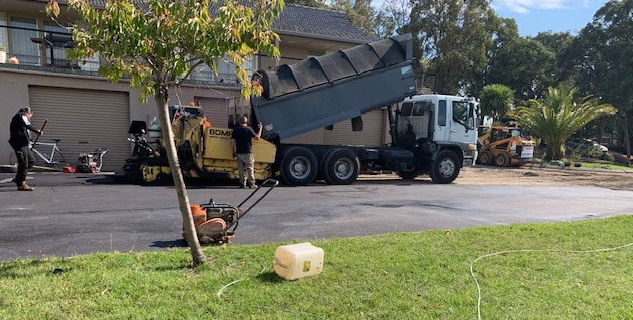
When an asphalt surface begins to deteriorate, deciding how to address the problem is not always straightforward. One or two isolated potholes may only require targeted repairs, while widespread cracking, repeated patch failures and general surface deterioration can indicate that resurfacing deserves consideration. Choosing the appropriate treatment depends on understanding what is happening across the pavement, not simply responding to the most visible defect.
For property owners and businesses in Parkes, NSW, knowing the difference between pothole repairs and asphalt resurfacing can help ensure maintenance is carried out at the right stage. At Parkes Road Tek, we assess the complete pavement condition before recommending a solution, allowing repairs or resurfacing to be matched to what the surface actually needs.
Why Asphalt Deterioration Needs to Be Assessed Properly
Visible pavement damage is often the final result of a process that has been developing for some time.
Traffic, weather exposure, water infiltration, drainage problems and movement within the pavement can all contribute to deterioration. Two potholes that look similar from above may therefore have very different underlying causes.
Before choosing between repairs and resurfacing, it is important to establish:
- How widespread the deterioration is
- Whether the surrounding pavement remains sound
- Whether water is contributing to the problem
- If the pavement base remains stable
- Whether previous repairs are continuing to perform
- How the surface is responding to its normal traffic
This broader assessment helps avoid treating symptoms while overlooking the actual cause.
When Are Pothole Repairs Appropriate?
Pothole repairs are generally most suitable when deterioration remains localised.
If most of the asphalt is still performing well and only a limited number of areas have failed, professionally repairing those sections can restore the pavement without disturbing otherwise serviceable asphalt.
Examples can include an isolated pothole, a small area of edge deterioration or a localised failure associated with a specific weak section.
The key consideration is the condition of the pavement surrounding the defect.
A Quality Pothole Repair Is More Than Filling a Hole
Effective pothole repair requires appropriate preparation.
Loose and unstable pavement should not simply be concealed beneath new material. The damaged section needs to be assessed and prepared so the repair has suitable support.
If deterioration extends into the underlying pavement, additional work may be required before the surface is restored.
Professional repairs are designed to reinstate the damaged area while helping protect the sound pavement surrounding it.
When Does Resurfacing Become Worth Considering?
Resurfacing becomes more relevant when deterioration is no longer confined to one or two locations.
An asphalt surface may still have a serviceable underlying structure while its upper wearing layer has become extensively aged or damaged. In these circumstances, continually repairing individual defects may not address the condition of the pavement as a whole.
Warning signs can include:
- Cracking across multiple areas
- Numerous previous patches
- Repeated pothole formation
- General surface roughness
- Loose or deteriorating surface material
- Widespread weathering
- Increasing numbers of localised failures
These conditions do not automatically mean resurfacing is required, but they indicate that the entire pavement should be professionally assessed.
What Does Asphalt Resurfacing Do?
Resurfacing renews a larger section of the pavement rather than treating individual defects separately.
Where the existing structure is suitable, damaged areas are repaired and the pavement is prepared before a new asphalt wearing layer is installed. This creates a more consistent surface while providing renewed protection to the existing pavement beneath.
A correctly completed resurfacing project can improve surface condition, driving quality and appearance while extending the useful life of an otherwise serviceable pavement.
Repeated Potholes Can Change the Decision
A pothole appearing once does not necessarily indicate widespread pavement failure.
When potholes repeatedly develop across the same surface, however, the pattern becomes more important. Numerous failures may indicate that the wearing course has deteriorated beyond the point where isolated patching provides an effective overall maintenance strategy.
Repeated failure in exactly the same location can also suggest an underlying problem such as poor drainage or base instability.
Rather than continuing to patch automatically, this is the stage at which investigating the cause becomes particularly valuable.
Look at the Cracking Between the Potholes
Property owners often focus on potholes because they are the most obvious defects, but the condition of the asphalt between them can provide useful information.
If the surrounding surface remains smooth and largely intact, targeted repairs may be appropriate. If cracks connect damaged areas or extend throughout large portions of the pavement, deterioration may be considerably more widespread.
Cracks also allow water to enter the pavement, potentially accelerating the transition from surface wear to deeper damage.
Drainage Can Influence Both Repair Options
Water management should be considered whether the pavement requires pothole repairs or resurfacing.
If water continually pools in a damaged area, enters through cracks or flows towards vulnerable pavement edges, completing surface work without addressing drainage may leave the same conditions in place.
Correct grading and effective water runoff help protect the repaired or resurfaced pavement.
For this reason, professional assessment should consider the way water behaves across the complete site rather than examining pavement defects in isolation.
What If the Foundation Has Failed?
Neither routine pothole patching nor straightforward resurfacing is intended to disguise widespread structural failure.
If the pavement has substantial movement, deep settlement, severe deformation or an unstable supporting base, the affected areas may require more extensive preparation or reconstruction.
Applying a new surface over an unstable foundation does not remove the weakness underneath it.
Identifying structural problems before work begins is therefore essential to selecting an appropriate pavement treatment.
Resurfacing at the Right Time Can Preserve Existing Pavement
There is a useful stage in the life of an asphalt surface where the wearing course has deteriorated but the underlying pavement remains capable of further service.
Resurfacing during this period can renew the upper surface before deterioration progresses further into the pavement structure.
Waiting until extensive structural failure has developed may reduce the suitability of resurfacing as a maintenance option.
This is why pavement maintenance should ideally be based on condition and timing rather than waiting until the surface becomes difficult to use.
Consider How the Surface Is Being Used
Traffic demands also influence the appropriate maintenance strategy.
A residential driveway experiences different loading from a commercial access road, car park or surface regularly carrying heavier vehicles. Areas used for turning, braking and frequent vehicle movements may also deteriorate differently from less heavily trafficked sections.
Understanding how the pavement is used helps determine why particular areas are failing and what type of repair is likely to perform effectively.
Why Professional Assessment Matters
There is no reliable rule based solely on the number or size of potholes that determines whether a pavement should be repaired or resurfaced.
The correct approach depends on the condition of the surface, underlying pavement, drainage, traffic demands and pattern of deterioration.
At Parkes Road Tek, we assess asphalt and bitumen surfaces throughout Parkes, NSW before recommending work. This allows us to determine whether targeted pothole repairs remain appropriate, whether resurfacing should be considered or whether underlying issues require attention first.
The objective is to complete work that responds to the actual condition of the pavement rather than simply covering visible damage.
Conclusion
Pothole repairs and asphalt resurfacing both have important roles in pavement maintenance, but they solve different levels of deterioration. Targeted repairs are generally appropriate when defects remain isolated and the surrounding pavement is sound. Resurfacing becomes worth considering when ageing, cracking, previous repairs and surface deterioration have become widespread while the underlying pavement remains suitable.
For property owners and businesses in Parkes, NSW, the most important step is identifying what the asphalt actually needs before deciding on the treatment. Parkes Road Tek provides professional pothole repairs, asphalt and bitumen resurfacing, grading and pavement maintenance based on the condition of each site. If your surface is developing potholes or showing broader signs of deterioration, contact our team to arrange an assessment and determine the most appropriate way to restore reliable long-term performance.
Call us on: 02 5839 3400
Click here to find out more about Parkes Road Tek
Click here to complete our contact form and see how we can help with your Asphalt and Bitumen Surfacing needs.